Ben Fogle's Harrowing Near-Death Scare: The Unseen Dangers of Rural Roads
Known globally for his intrepid adventures across some of the world's most remote and perilous landscapes, Ben Fogle has faced down erupting volcanoes, navigated treacherous oceans, and scaled towering peaks. Yet, it was during a simple dog walk on a seemingly idyllic village road, just steps from his Oxfordshire home, that the beloved television presenter experienced a terrifying ben fogle near death encounter, narrowly avoiding a catastrophic collision with a van travelling at 60mph.
This shocking incident, which saw Fogle's life flash before his eyes, wasn't the result of a rogue driver breaking the law. Astonishingly, the van was operating within the legal speed limit for that particular stretch of road. The irony is stark: a man who has deliberately sought out extreme challenges found himself in mortal danger in the heart of his peaceful community, sparking a passionate plea for urgent changes to rural road safety regulations.
The Shocking Incident: When Adventure Met Everyday Life
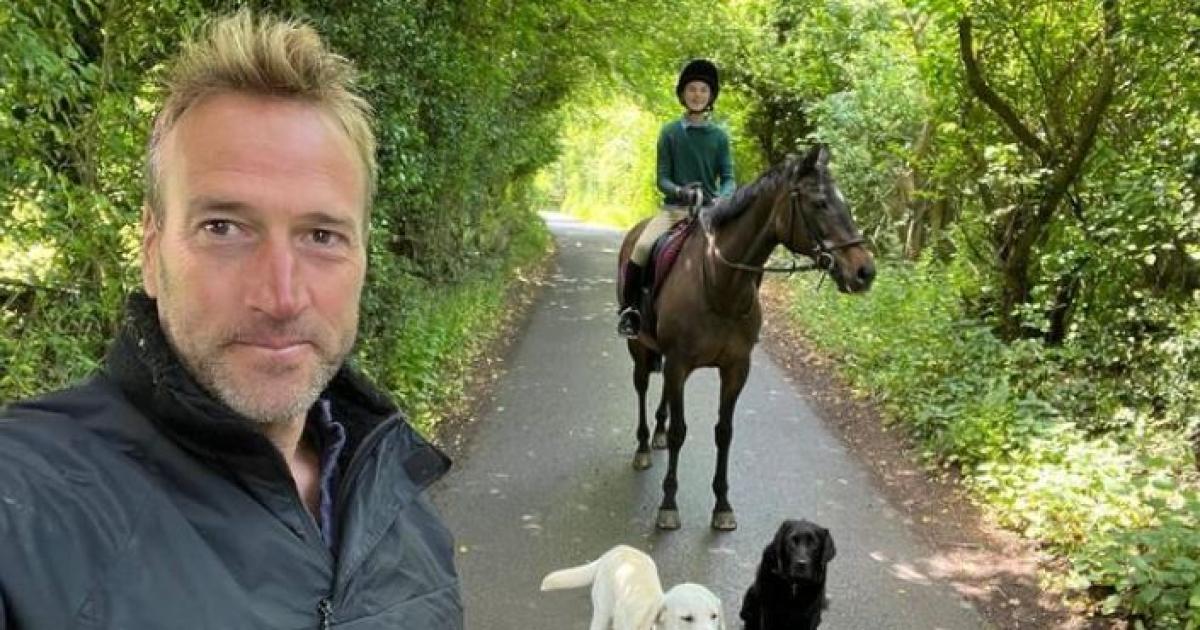
The details of Fogle's harrowing experience are chilling. He recounted being out for a run with his dog on a single-track road near his village in Henley, Oxfordshire. This road, like many in rural areas, serves multiple purposes; it's a shared space for walkers, cyclists, horse riders, and local traffic, crucially lacking any designated pavements or footpaths. It was precisely this shared, unprotected environment that set the scene for his brush with death.
Rounding one of the village's numerous blind bends, a delivery van, travelling at the perfectly legal yet undeniably dangerous speed of 60mph, suddenly appeared. The driver reacted swiftly, slamming on the brakes and skidding to a halt mere feet from Fogle and his dog. "My life flashed before my eyes," Fogle shared, drawing a powerful parallel to his most extreme past experiences. "Just as it had done when my boat capsized on the Atlantic Ocean and when my oxygen bottle exploded on Everest, but this was on a dog walk outside my home."
The stark contrast between facing down the elements in remote wilderness and confronting mortal danger on his doorstep underscores the pervasive, often underestimated risks associated with the UK's rural road network. For a seasoned adventurer like Ben Fogle to experience such a profound scare in his own village highlights a systemic problem affecting countless communities.
The Peril of "Legal" Danger: Why 60mph in Villages Doesn't Add Up
Ben Fogle's powerful account sheds light on a fundamental flaw in how speed limits are applied across the UK. The "national speed limit" of 60mph for single carriageway roads often extends through small, residential villages, even when the infrastructure is wholly unsuited to such speeds. These are typically:
- Single-Track Roads: Often narrow, winding, and with limited visibility, making it impossible for vehicles to safely pass, let alone travel at high speeds when encountering pedestrians or cyclists.
- No Pavements or Footpaths: Forcing residents, including children, the elderly, and those with pets, to share the carriageway directly with fast-moving traffic.
- Blind Bends and Intersections: Common features that drastically reduce reaction time for both drivers and vulnerable road users.
- Mixed User Environment: These roads are not just for cars; they are vital arteries for local life, used by horse riders, dog walkers, cyclists, and families.
The core issue, as Fogle eloquently put it, is the "irony" of almost dying so close to home. The legal framework, in this context, creates a paradox where adherence to the law can still lead to deadly consequences. While a driver may technically be within their rights to travel at 60mph, the inherent design and shared usage of many village roads make such speeds inherently unsafe and irresponsible.
Beyond Ben Fogle: A National Rural Road Safety Crisis
The terrifying ben fogle near death experience is far from an isolated incident. Across the UK, thousands of rural villages grapple with similar challenges, where the national speed limit transforms local lanes into potential deathtraps. Fogle articulated this wider problem, stating, "We are not alone. There are countless other small villages out there who also live with 60mph speed limits through the heart of their community."
The human cost of this oversight is immense. Living with constant fear for the safety of loved ones, particularly children and pets, takes a significant toll on rural communities. Fogle himself revealed that both his children have had "near encounters with speeding traffic." This isn't just about inconvenience; it's about the fundamental right to safety and peace within one's own home and community.
The consequences of a collision at 60mph versus a more appropriate 20mph are stark. At 60mph, a pedestrian has a survival rate of less than 10%; at 20mph, this figure dramatically rises to over 90%. Lower speed limits don't just reduce the likelihood of accidents, they significantly mitigate their severity, making the difference between a near-miss and a fatality. This crucial difference underscores the life-saving potential of tailored speed restrictions.
Advocating for Change: Ben Fogle's Call for 20mph Limits
Fuelled by his frightening ordeal and the pervasive risk to his community, Ben Fogle has become a passionate advocate for implementing 20mph speed limits in rural villages. He argues that this isn't just about his village, but a common-sense solution for communities nationwide. He highlights the "ridiculous" situation where 20mph limits have been imposed in areas *with* pavements, while villages reliant on the road as their primary shared space remain subject to 60mph.
Fogle's plea resonates deeply with many. He implores local councils and authorities to prioritize the safety of residents over outdated national speed limit defaults. Implementing 20mph zones in these vulnerable areas would not only reduce the risk of accidents but also:
- Enhance Community Life: Making roads safer encourages walking, cycling, and outdoor play, fostering stronger community bonds.
- Improve Air Quality: Slower speeds generally lead to smoother traffic flow and reduced emissions.
- Reduce Noise Pollution: Creating a more peaceful environment for residents.
- Empower Local Councils: Granting them the autonomy to set appropriate limits based on local conditions, rather than a blanket national rule.
For more detailed insights into Fogle's advocacy and the broader implications for village safety, you can read about Ben Fogle Demands 20mph Limits After Village Road Danger and understand the Rural Road Threat: Ben Fogle's Call for Village Safety.
Practical Steps for Communities and Drivers
Ben Fogle's experience serves as a powerful wake-up call, not just for authorities, but for residents and drivers alike. Here are actionable steps:
For Communities Advocating for Change:
- Gather Evidence: Document near misses, compile accident statistics (if available), and collect testimonials from residents.
- Form a Group: A unified community voice carries more weight. Form a local action group dedicated to road safety.
- Engage Local Councillors: Present your case with clear data and community support. Fogle notes his local councillor has tried "to no avail," but persistence is key.
- Launch a Petition: Online and physical petitions can demonstrate the breadth of public support.
- Raise Awareness: Use local media, social media, and community boards to highlight the issue and gather support.
For Drivers in Rural Areas:
- Adjust to Conditions, Not Just Limits: A 60mph limit doesn't mean 60mph is always safe. Drive according to the visibility, road width, and potential for vulnerable road users.
- Anticipate the Unexpected: Assume there could be a pedestrian, cyclist, or animal around any blind bend, especially in villages without pavements.
- Be Mindful of Your Impact: Your vehicle, even at legal speeds, can be a terrifying and dangerous presence in shared spaces.
- Slow Down: Prioritize safety over speed, especially when passing through residential areas.
For Vulnerable Road Users (Pedestrians, Cyclists, Horse Riders):
- Be Visible: Wear bright clothing, especially in low light. Consider reflective gear.
- Stay Alert: Be aware of your surroundings and any approaching traffic. Avoid distractions like headphones.
- Walk Towards Traffic: If there's no pavement, walking towards oncoming traffic on the right-hand side allows you to see and react more effectively.
- Teach Children Road Safety: Emphasize the dangers and best practices for navigating shared rural roads.
Conclusion: A Call for Common Sense and Safety
Ben Fogle's terrifying ben fogle near death encounter serves as a stark reminder that danger isn't always found on distant mountain peaks or stormy seas. Sometimes, it lurks on our very doorsteps, cloaked in the guise of outdated regulations. His powerful narrative brings into sharp focus the critical need for a re-evaluation of speed limits in rural villages, advocating for a common-sense approach that prioritizes human life and community well-being over arbitrary national standards.
As Fogle passionately declared, "Someone is going to get killed in our village." This urgent plea for action resonates far beyond his Oxfordshire home, calling on authorities nationwide to implement reasonable 20mph limits where communities and vulnerable road users share the very fabric of the road. It's a call for safety, for peace of mind, and for ensuring that the idyllic charm of rural life doesn't come at the cost of tragic, preventable accidents.